
The Branch Rep Didn't Need a Script
In my quest to dispute a debit charge, I had an experience that left me hopeless about whether FIs are ready AI. Then I walked into a branch and watched a human solve it in 15 minutes.


Photo by Marc-Olivier Jodoin on Unsplash
I had one of those bank experiences that left me feeling hopeless about whether FIs are ready for basic customer service much less AI driven services.
Flipping through my Apple Pay debits a couple of days ago, I discovered a debit charge that I did not make. I called the customer service phone number on the back of my debit card, picked off the numbers to move through options for account balances, pin changes, and payments get into a queue for debit card problems. The automated phone system asked me for my debit card number which I provided. The system told me that I’d input an invalid card number and gave me a chance to enter it again. I did and when I got to the last number, I tapped the wrong number on my phone. No ability to delete or to cancel. The system disconnected me. I called again, went through all the menu selections and got to the debit card again. This time I requested a customer service representative. The system told me that the bank was experiencing high call volume and that my call was important……..
When I finally got a customer service rep, I explained the debit purchase that I did not make. She asked me whether someone used my card or card number without my permission. No, I said. This line is for fraud only, she said. You have to call your bank to dispute the charge.
By the time I pressed “End” on my phone, I had a list of problems with this ‘customer journey’ including:
Customer service that is really phone banking. Checking my account balance or making a payment or resetting my password are wonderful things to be able to do on the phone, but if I’m calling a customer service number, I want service options, not transactions.
Inflexible “journey.” The phone banking system had a rigid structure. The inability to move around in the system to various menu options, delete entry or cancel and return to try again is unacceptable in an age where I can customize every aspect of my WaWa hoagie.
Charge dispute vs fraud? This difference is important, of course, to the financial institutions. Most customers and members probably don’t know the difference between a charge dispute and nor should they have to. Solving a problem shouldn’t require them to understand their bank’s siloed infrastructure. Instead, it gives the customer another unwanted problem they have to solve.
Outsourced customer service disconnected from the bank. The customer service reps comment that she only handled card fraud and that I had to call my bank alerted me that the bank had outsourced the fraud services. I recognized this as outsourcing because I’ve spent years analyzing bank systems. Most customers won’t make that connection. To most people it just looks like the bank doesn’t talk to itself.
When I hung up, I had two thoughts: 1) this customer service/phone banking system needed a complete overhaul and 2) please bank do not enshrine this customer service system in agents or Generative AI.
Then, I did what the customer service rep told me to do. I called my branch and spoke to a woman who created a ticket to dispute the debit, put a hold on my debit card and invited me to come to the branch to get a new card. Five minutes. Maybe less.
I went to the branch the next day and in less than 15 minutes I had a new debit card. While I waited for the customer service rep to process the paperwork for and create my new card, I watched several people enter the branch, step up to teller windows and leave. A couple of people sat down at the customer service desk next to mine. A woman came out of one of the offices at the back and escorted two women back to her office. Through the glass walls I saw several people go up to the ATM. Wow, I said the branch is busy this time of the morning. My rep told me that the branch is always busy. I related my saga of calling the 800 number and then being told to call the branch. She agreed, yes, there were a lot of problems with the telephone banking system and they were working on improving it. She talked to me as she filled out a paper form, logged into a system, tapped some keys.
By the time I left the branch, new debit card tucked into my bag, I realized the list of problems with the bank’s telephone banking system wasn’t the insight. Yes, the bank should definitely make some changes to the customer service menu and allow customers more flexibility to move through the options.
The bank’s technology isn’t the problem. Phone trees, fraud queues, self-service menus are part of every FI’s customer service toolkit. What differentiates a bank these days is what that institution chooses to do with them. Route a customer with an ambiguous problem into a script built for a specific narrow problem, and the system breaks. Have a human ready to absorb the ambiguity, and it doesn’t. That’s not a technology gap. That’s a choice about where judgment is allowed to live.
Generative AI and agents will make this choice easier to hide. A well-tuned bot can sound empathic while routing me in exactly the same broken circles the phone tree did: dispute, not fraud, please call your bank, hangup. The architecture will be more sophisticated but that doesn’t guarantee better service. Whether it’s actually better depends entirely on whether the bank team takes care to design it to know what it doesn’t know, and to hand me to a person when it doesn’t. My branch rep didn’t need a script for my problem. More importantly, she had the authority to just solve it. She was knowledgeable, friendly, efficient.
That’s the part I’d worry about losing.
Who is PivotAssets?
I’m Stessa Cohen - an independent analyst, strategic advisor & consultant (& a former Gartner analyst). I’ve worked in and covered the banking industry for over 2 decades.
My aim with this newsletter is not to confirm what you know (and you are plenty smart!) but to challenge you & give you a fresh perspective & analysis on the transformation that is —and isn’t happening - in the industry.
PivotAssets
PivotAssets is my consultancy. I help FIs and software companies world-wide cut through the technology and other hype that can get in the way of your strategy and plans to increase profitability, innovation or transformation.
Ensure your financial institution can deliver small innovations, stop ghosting customers, uncover its hidden tribes and leverage your legacy.
Help you tap into hidden customer segments that will unlock your FI’s innovation capabilities.
Assist you in creating a narrative that reflects your mission, goals, market and product(s) - and isn’t a copy of what everyone else is doing.
Analyze your GTM strategy to help you address a new market.
Help you prepare for your first vendor briefing or your first funding pitch meeting.
Write thought leadership pieces relevant to your business, solutions or technology.
Have an idea for a webinar you would like to sponsor on PivotAssets? Email me stessa@pivotassets.co.
Contact me at stessa@pivotassets.co or via LinkedIn.
Fintech Book Club
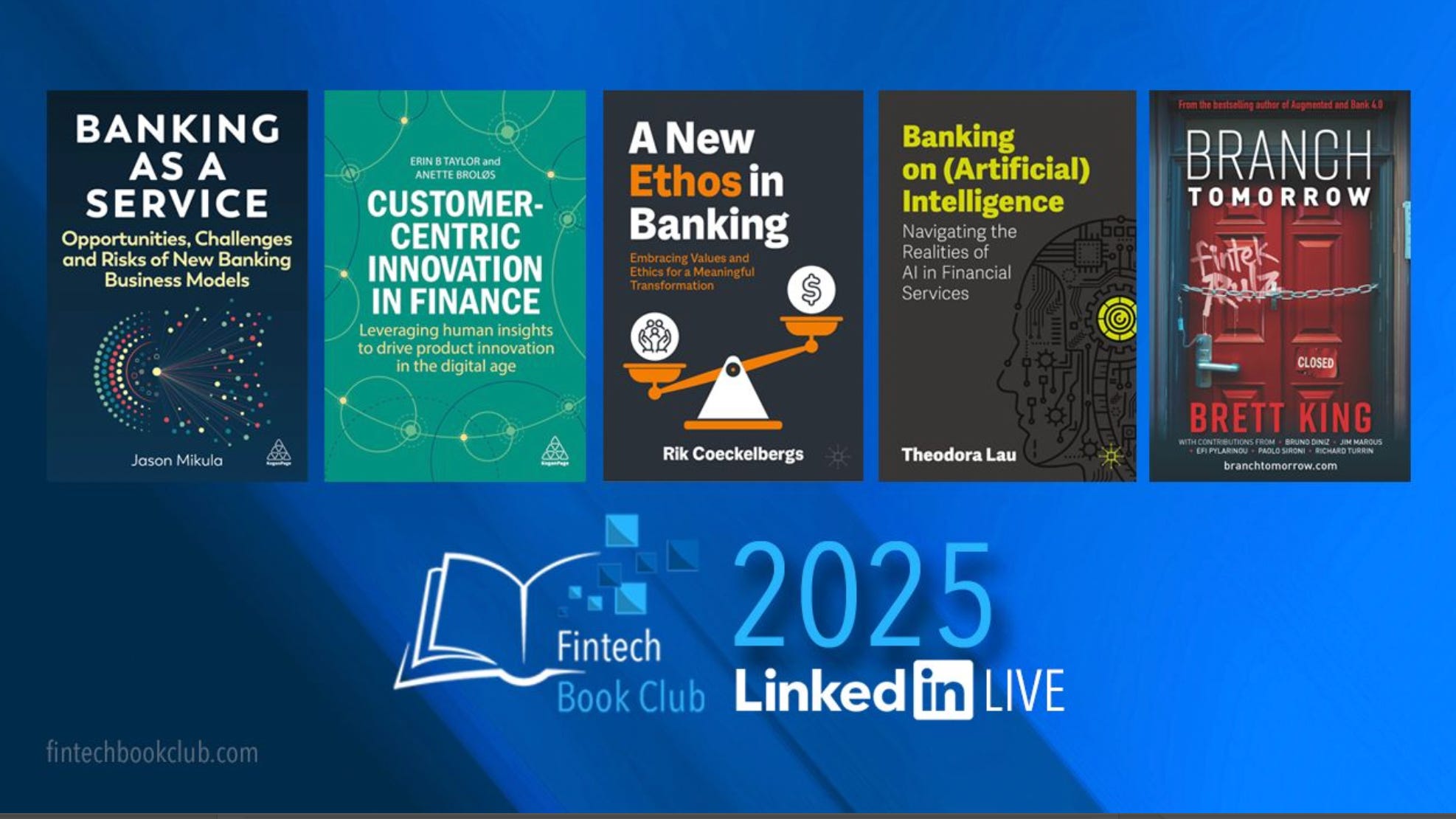
Fintech Book Club - Jim Perry, Efi Pylarinou and me - discusses 1 fintech book every quarter. Our next book discussion is Friday 18 September 2026 at 10:00 EST. The book we will discuss is Intelligent Bank by Chris Skinner. Please join us!
Third Eye Advisory
I’m an expert advisor and consultant at Third Eye Advisory. We are not a “traditional” advisory. With Third Eye, I provide strategic insight and tactical guidance that address business initiatives that are critical to a financial institution or vendor provider’s sustained growth. Request a consult today.